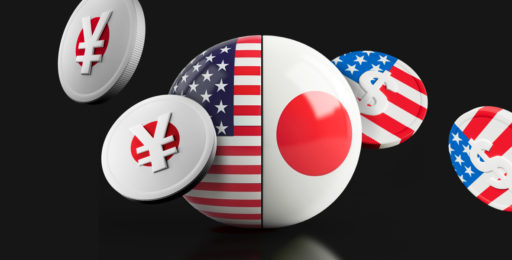

U.S. Treasury Secretary Scott Bessent said Washington backed Japan's yen-buying intervention because a weaker yen threatened financial stability across Asia. He declined to say whether the Bank of Japan should raise rates, but said the buying alone will not turn the currency around without further policy moves from Tokyo.
Treasury Secretary Scott Bessent said Tuesday that the U.S. joined Japan's effort to strengthen the yen because the currency's weakness risked destabilizing markets across Asia. Speaking on CNBC's "Squawk Box," he said a stable yen matters for trade flows and the size of Japan's economy, not only for the United States.
Weak yen risks spreading to other Asian currencies
Bessent said a sharply weaker yen could pressure other countries to devalue their own currencies, pointing to volatility in the South Korean won and concerns that China's yuan is undervalued. He added that the Japanese government understands the stakes and that Washington is proud to stand with Tokyo on the effort.
The coordinated intervention marks a rare U.S. move to support another major currency and reflects concern that prolonged yen weakness could fuel inflation in Japan while pressuring other Asian currencies. As part of the operation, the Treasury Department sold euros from U.S. reserves and used the proceeds to buy yen, and Bessent said he assured European officials the euro sale was merely a reallocation of reserves.
Bessent says buying alone won't turn the yen
The U.S. and Japan carried out the joint operation after what Bessent described as a substantial undervaluation of the yen, and he said the two governments had been in close contact over Tokyo's plans to bring the currency back toward a more normal level. Still, he cautioned that intervention by itself would not decide the currency's direction. According to CNBC: "You can give market signals with intervention, but it's policy that turns it", he said, adding that Washington took part because it was optimistic about Japan's policy path.
Bessent declined to say whether the Bank of Japan should raise rates, but said Japanese officials would need to follow the intervention with broader policy changes. His remarks were interpreted as a possible signal that the BoJ could be moving closer to a rate hike, though he stopped short of calling for one directly. He also pointed to the economic distortions of a weak yen, framing Japan's inflation pressure as largely tied to the currency's decline.
Investinglive said the remarks leave open whether Tokyo follows through with a rate hike, a more hawkish signal, or a faster normalization path.
Sources: CNBC, Investinglive
Trading involves risk.





 Risk Disclaimer